
Storage Controller Comparison: Conventional PLC vs. Integrated EMU Terminals
Compare hardware costs, installation efficiency, operational stability and maintenance across PLC-plus-gateway and integrated EMU architectures.
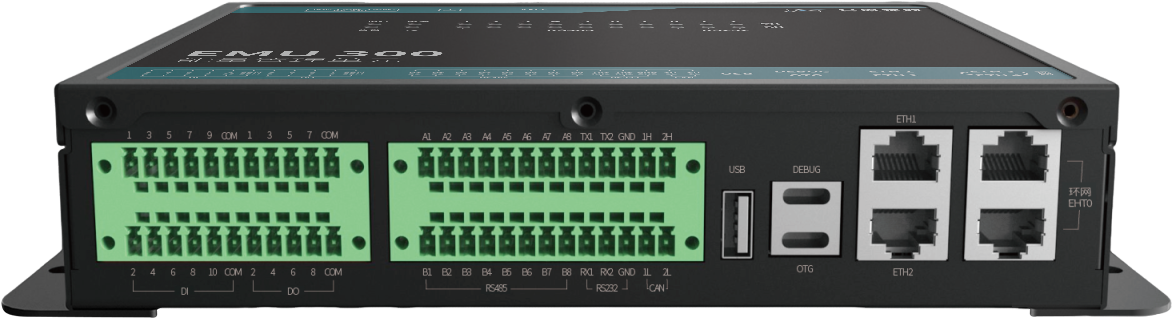
Existing official product imagery
- Lower hardware procurement costs
- 40%
- Shorter on-site construction time
- 50%
- EMU100 / 300 / 700 / 900
- 4 series
The 40% and 50% figures are company-supplied test claims. Actual results vary with configuration, protocol integration and site conditions.
On-site data acquisition and control in storage projects generally follow two approaches: a conventional PLC with separate communication gateways, or a purpose-built integrated EMU terminal. Hardware costs, installation efficiency, operational stability and maintenance requirements affect overall project economics.
From separate devices to integrated control
Conventional separate-device approach
Multiple devices, wiring segments and protocol interfaces
Integrated EMU approach
RS485 / CAN / Ethernet · Integrated acquisition and control
The supplied article describes a conventional PLC-plus-gateway solution requiring separate PLCs, protocol converters and gateways, with more device types and field wiring. It highlights potential cross-brand compatibility issues, communication interruptions, packet loss and integration errors, as well as more complex troubleshooting and higher maintenance costs.
Compare four practical dimensions
A qualitative comparison of the typical configurations described here, not a universal conclusion about all PLCs or projects.
In-house EMU range for diverse energy applications
EMU100 / EMU300 / EMU700 / EMU900: choose the model suited to the project.
The supplied company content presents the EMU100/300/700/900 range as an optimal integrated solution. A terminal integrates common interfaces such as RS485, CAN and Ethernet, supports mainstream BMS, PCS and inverter protocols, and can replace multiple conventional devices in compatible configurations.
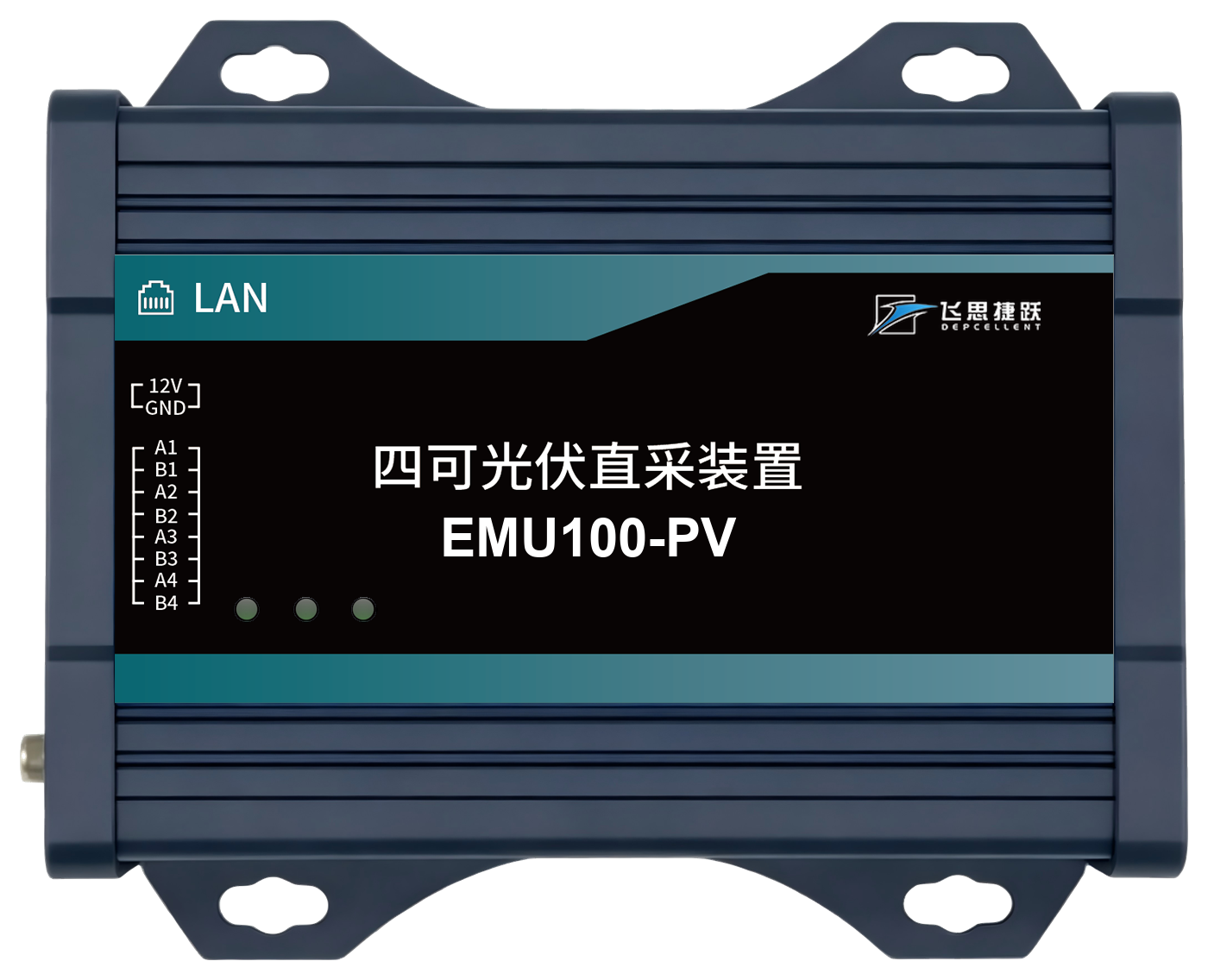
EMU100
PV four-capability controller
View productEMU300
C&I storage controller
View product
EMU700
Microgrid controller
View product
EMU900
Utility storage control terminal
View productClaims of optimality and complete replacement are company statements, not a universal replacement guarantee. Check model-specific datasheets and project compatibility.
Turn hardware integration into project value
The supplied test claims report 40% lower overall hardware procurement costs and 50% shorter on-site construction time with the integrated EMU approach, alongside fewer failure points and improved stability. Applications include C&I storage, industrial park microgrids, distributed PV with storage and utility-scale storage plants.
Project case reference
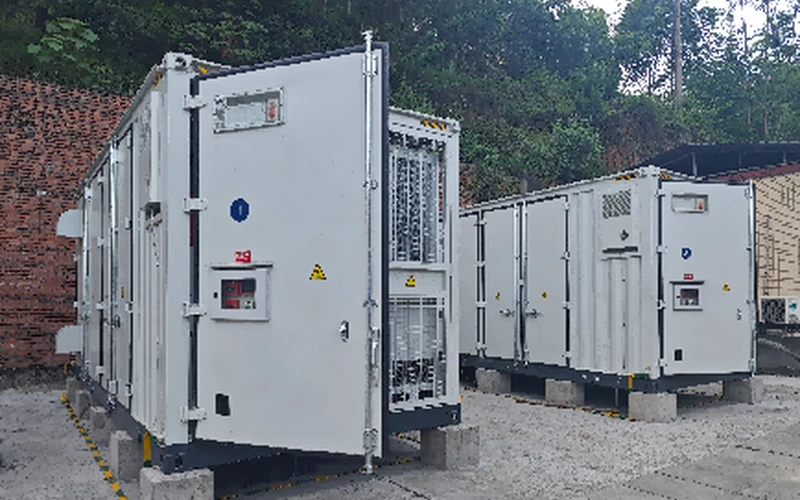
Source: project cases on this website. Case images and capacities identify the referenced projects; they are not test evidence for the performance claims in this article.